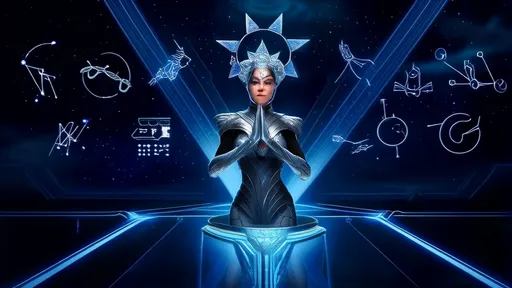
In the silent expanse between stars, where human voices have never traveled, a new chapter of cosmic exploration is being written. The concept of generation ships—self-sustaining vessels carrying communities on multi-century journeys to distant star systems—has long captivated scientists and dreamers alike. But as these ambitious missions transition from speculative fiction to tangible projects, an unexpected dimension has emerged: the role of astrological compatibility in crew selection and social cohesion. While some dismiss it as pseudoscience, others argue that in the confined, high-stakes environment of a generation ship, every tool for harmony—even celestial mapping—must be considered.
The premise is both simple and profound. A generation ship mission, spanning hundreds of years, will rely not only on technological prowess but on the stability and resilience of its society. Conflict, alienation, or psychological breakdown could jeopardize the entire endeavor. Proponents of astrological matching suggest that understanding the innate tendencies, communication styles, and emotional needs of individuals through their birth charts could help form crews with complementary strengths and mitigated friction. It’s not about predicting fate, they emphasize, but about leveraging archetypal patterns to foster understanding.
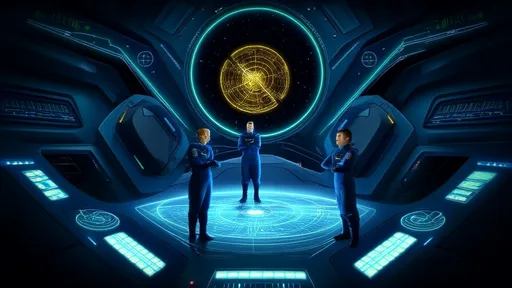
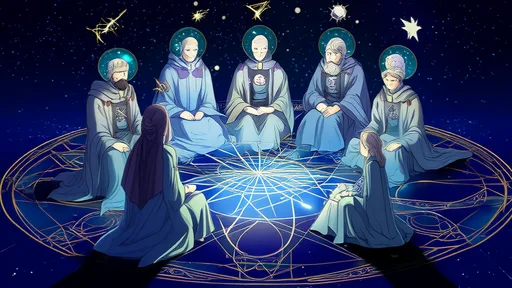
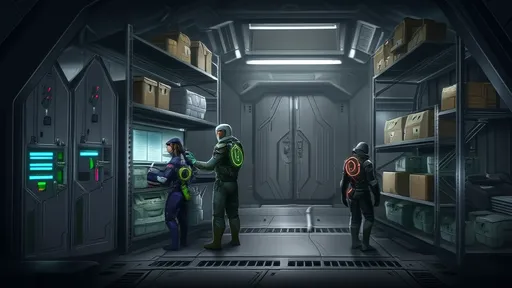
Consider the core roles essential to such a mission: the pragmatic engineers who maintain life support systems, the visionary leaders who steer long-term strategy, the nurturing caregivers who support community well-being, and the curious scientists pushing the boundaries of knowledge. Each role demands certain traits, and astrological profiles—such as the grounding influence of Earth signs or the innovative spark of Air signs—could theoretically align individuals with functions that resonate with their natural inclinations. A captain with strong Leo placements might inspire and unify, while a systems analyst with Virgo traits could excel in meticulous oversight.
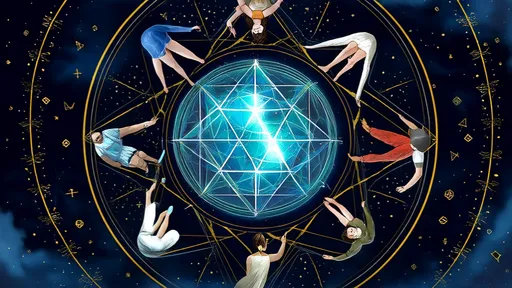
Beyond role assignment, astrological compatibility is eyed for its potential in relationship dynamics. On a ship where every interpersonal interaction is magnified by isolation, understanding how different signs communicate, process stress, and express affection could preempt conflicts. For instance, pairing a direct, action-oriented Aries with a diplomatic, harmony-seeking Libra might balance impulsiveness with deliberation. Or, coupling a deeply emotional Cancer with a steadfast Taurus could create a stable emotional anchor. Skeptics caution against oversimplification, but advocates argue it’s one layer in a multifaceted approach to crew psychology.
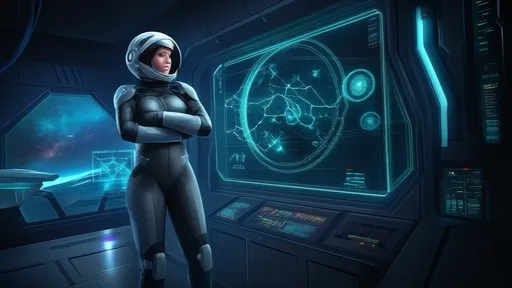
The integration of astrological matching doesn’t occur in a vacuum. It complements rigorous psychological profiling, genetic diversity planning, and cross-disciplinary training. Mission planners are exploring hybrid models where astrological data informs team-building exercises, conflict resolution protocols, and even habitat design—assigning quarters based on compatibility to reduce daily friction. Some proposed missions even include an onboard astrologer or software to continuously assess and adjust interpersonal strategies as the crew evolves across generations.
Ethical concerns, of course, abound. Critics question the scientific validity of astrology and warn against bias or reductionism. Should someone be excluded from a mission because their chart suggests potential conflicts? Advocates counter that it’s about optimization, not exclusion—using every available insight to set the community up for success. They point to historical and cultural precedents where astrological principles have been used in group dynamics, from ancient maritime voyages to modern corporate team-building.
As we stand on the brink of intergenerational space travel, the conversation reflects a broader yearning: to blend ancient wisdom with cutting-edge science, to honor the human spirit in the machine. Whether astrological matching becomes a standard tool or remains a controversial footnote, it underscores a profound truth—that the success of humanity’s greatest journey may hinge not just on the stars we travel to, but on how we understand the stars within us.
By /Aug 25, 2025

By /Aug 25, 2025
By /Aug 25, 2025

By /Aug 25, 2025
By /Aug 25, 2025
By /Aug 25, 2025

By /Aug 25, 2025
By /Aug 25, 2025

By /Aug 25, 2025
By /Aug 25, 2025

By /Aug 25, 2025

By /Aug 25, 2025

By /Aug 25, 2025
By /Aug 25, 2025

By /Aug 25, 2025
By /Aug 25, 2025

By /Aug 25, 2025
By /Aug 25, 2025

By /Aug 25, 2025

By /Aug 25, 2025