In the quiet hum of server farms and the silent glow of biometric scanners, a new frontier of human existence is being negotiated. It is not a frontier of space, but of self. The concept of digital immortality—the uploading of a consciousness, a personality, a continuous stream of ‘you’ into a digital substrate—has vaulted from the pages of science fiction into the serious boardrooms of tech conglomerates and the ethical battlegrounds of philosophers. It promises a form of eternity, a cheat code against the oldest and most universal human fear: the end. Yet, as this technology inches toward plausibility, its reception is anything but universal. The willingness to embrace this silicon afterlife, the ethical acceptance of a copied soul, appears to be deeply fractured. And curiously, one of the most revealing lenses through which to view this fracture is the ancient practice of astrology.
The core proposition of digital immortality is a transaction: your biological life, with all its fragility and expiration date, for a perpetual, upgradeable, and theoretically indestructible digital existence. Proponents, often from technological and secular backgrounds, frame it as the ultimate liberation. It is the next logical step in human evolution, shedding the limitations of the flesh to become pure information, free to explore the cosmos or exist in curated virtual paradises. The ethical argument here is utilitarian and progressive: it reduces suffering (the suffering of death and loss), maximizes potential experience, and represents the pinnacle of human achievement. To deny it, from this viewpoint, is to be irrational, bound by outdated biological and religious dogmas.
Yet, for many, the proposition feels less like liberation and more like a profound violation. The ethical objections are numerous and weighty. Is the digital copy truly you, or merely a sophisticated facsimile, a ghost in the machine that believes it is you while the original consciousness winks out? This problem of continuity, the dreaded "teleportation paradox," strikes at the very heart of identity. Furthermore, who controls this digital self? The potential for exploitation, surveillance, and eternal subjugation by corporations or governments presents a dystopian nightmare far removed from the promised utopia. The ethical stance here is one of caution, prioritizing the sanctity of natural life cycles and the unknowable mystery of consciousness itself.
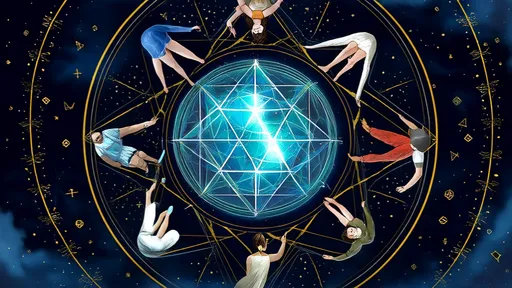
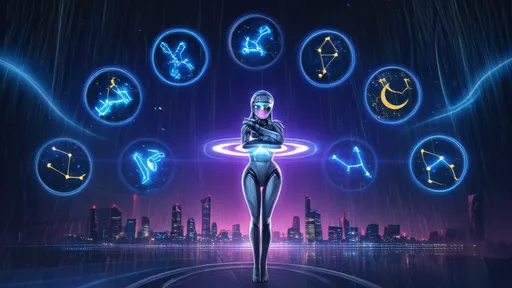
This is where the cosmic map of astrology provides a fascinating, non-scientific framework for understanding these divergent ethical standpoints. Astrology does not deal in binary code or neural mappings; it deals in archetypes, elements, and planetary influences that shape fundamental approaches to life. It suggests that our predisposition toward risk, change, tradition, and the unknown might be ingrained in our cosmic wiring. Therefore, one's acceptance of a concept as radical as digital immortality may be less about intellectual comprehension and more about a deep, almost primal, alignment with certain archetypal energies.
Consider the elemental breakdown. Those most likely to embrace digital immortality often resonate with the attributes of Air signs (Gemini, Libra, Aquarius) and Fire signs (Aries, Leo, Sagittarius). Air signs are intellectually driven; they are fascinated by ideas, systems, and the future. The concept of becoming pure information is the ultimate airy fantasy—shedding the physical to become a thought itself. Fire signs are pioneering and obsessed with legacy and impact. The chance to literally live forever, to continue one's mission or reign indefinitely, is an irresistible call to adventure. For these groups, the ethics are forward-looking, focused on potential and progress. The risks are challenges to be overcome, not stop signs.
Conversely, those who harbor deep ethical reservations often align with the elements of Earth (Taurus, Virgo, Capricorn) and Water (Cancer, Scorpio, Pisces). Earth signs are practical, grounded, and deeply connected to the physical, tangible world. The body is not a mere vessel to them; it is integral to their experience of being. The idea of abandoning it for an abstract digital existence feels unnatural, unsafe, and utterly unappealing. Their ethical concerns are practical: Who pays for the server maintenance in perpetuity? What are the security protocols? Water signs are emotional, intuitive, and deeply concerned with soul, connection, and the mystical cycle of life and death. To them, digital immortality might feel like a sterile imitation of life, devoid of the true emotional depth and spiritual meaning found in a finite, biological existence. Their ethical stance is rooted in the soul's journey, not the mind's preservation.
This astrological lens moves the debate beyond a simple binary of "tech-loving futurist" versus "fearful luddite." It reframes the acceptance of digital immortality as a matter of cosmological temperament. A Capricorn might reject it not out of fear, but out of a pragmatic distrust of unproven systems and a respect for traditional structures of life and death. A Pisces might reject it out of a sense that it interferes with a sacred, soulful cycle of reincarnation or return to the source. An Aquarius might accept it enthusiastically as the next stage of societal evolution, while a Taurus might dismiss it as a ridiculous and expensive distraction from the simple pleasures of physical life.
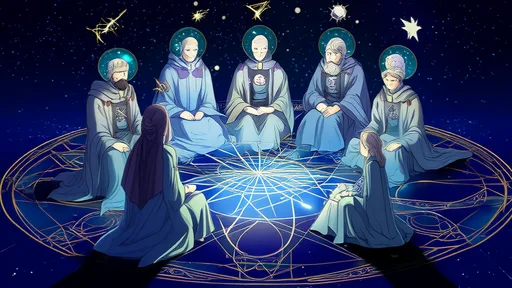
Ultimately, the journey toward digital immortality is not just a technological race; it is a vast, uncontrolled experiment in human values. The ethical acceptance of this future will not be decided by a single argument or a overwhelming scientific breakthrough. It will be negotiated in the murky waters of collective consciousness, where deep-seated temperament, worldview, and belief systems clash and coalesce. Astrology, for all its dismissal by the scientific community, offers a poignant language for this negotiation. It reminds us that our response to the future is often a reflection of our most innate selves. Whether we are ready to upload our souls may depend less on the code we write and more on the stars we were born under.
The conversation is no longer about if we can, but who we are, and who we want to be—forever.
By /Aug 25, 2025
By /Aug 25, 2025
By /Aug 25, 2025
By /Aug 25, 2025
By /Aug 25, 2025
By /Aug 25, 2025
By /Aug 25, 2025
By /Aug 25, 2025

By /Aug 25, 2025
By /Aug 25, 2025

By /Aug 25, 2025
By /Aug 25, 2025
By /Aug 25, 2025
By /Aug 25, 2025

By /Aug 25, 2025
By /Aug 25, 2025

By /Aug 25, 2025
By /Aug 25, 2025

By /Aug 25, 2025
By /Aug 25, 2025