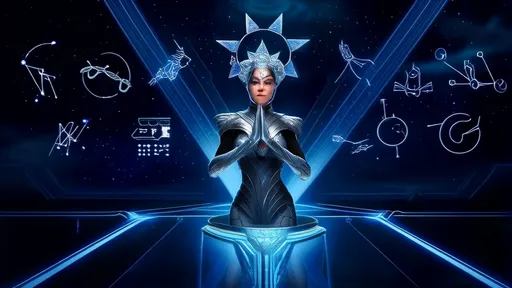
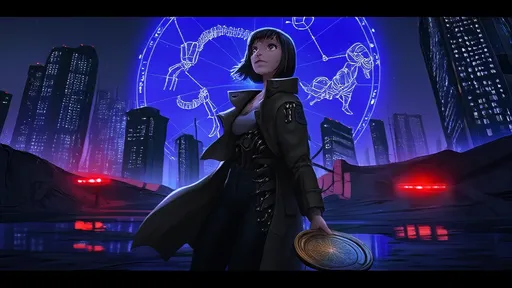
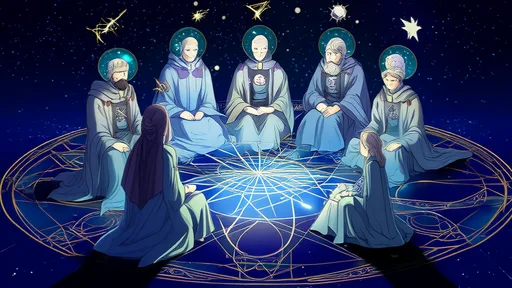
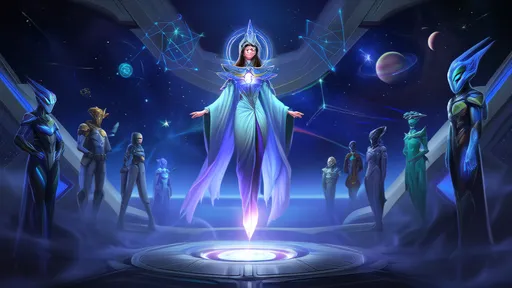
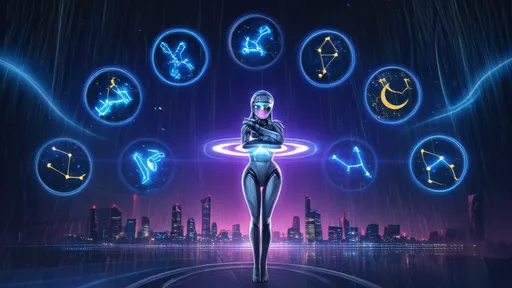
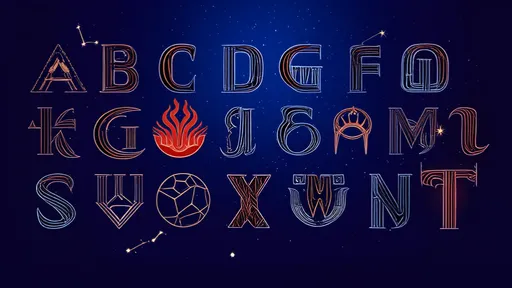
In the shadowed corridors of dystopian fiction, a peculiar astrological framework has emerged from the collective unconscious—one that maps not celestial bodies but human resilience patterns. The Zodiac of Dystopian Adaptability represents a symbolic system through which we might understand how different personality archetypes navigate oppressive regimes, technological domination, and societal collapse. This conceptual constellation doesn't follow traditional astrology's planetary movements but instead charts the psychological and behavioral constellations that determine survival in bleak futures.
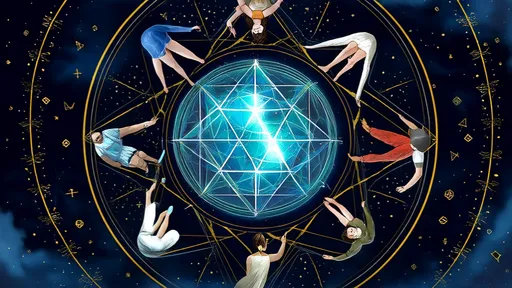
The origins of this framework remain appropriately mysterious, emerging simultaneously from academic psychological research and underground cultural movements. Dr. Aris Thorne, a sociologist who disappeared under questionable circumstances in 2042, first proposed the concept in her controversial paper "Psychological Archetypes in Totalitarian Structures." Meanwhile, resistance groups in various authoritarian states began using similar terminology to identify operatives with specific survival capabilities. The convergence of these threads created what we now recognize as the Adaptability Zodiac—twelve distinct resilience patterns that determine how individuals withstand and subvert dystopian conditions.
The Forgemaster represents those who thrive through creation amid destruction. These individuals don't merely survive oppressive systems; they reshape the very tools of oppression into instruments of liberation. Forgemasters demonstrate an alchemical ability to transform surveillance technology into communication networks, propaganda into subversive art, and punishment into education. Their strength lies in perceptual flexibility—seeing potential where others see only barriers. Historical and fictional examples include the engineers who built underground networks in Orwell's Oceania and the code-breakers who turned the Matrix's own systems against itself.
Opposite the Forgemaster stands The Sentinel, the guardian of memory and tradition. While others adapt by embracing change, Sentinels preserve the endangered knowledge and values that oppressive regimes seek to erase. They maintain oral histories, protect banned literature, and safeguard cultural practices. Their resilience manifests as steadfastness against the erosive forces of conformity and forgetting. In many dystopian narratives, these are the librarians hiding books, the elders teaching forbidden languages, the parents whispering stories of freedom to their children.
The Weaver deserves particular attention for their unique social resilience. Weavers create and maintain the fragile human connections that authoritarian systems work to dismantle. They establish trust networks, develop non-verbal communication methods, and build communities based on mutual aid rather than fear. Their power lies in understanding that while regimes can control infrastructure and information, human connection remains the ultimate unconquerable territory. Weavers exemplify the truth that resistance begins not with weapons but with whispered conversations in darkened rooms.
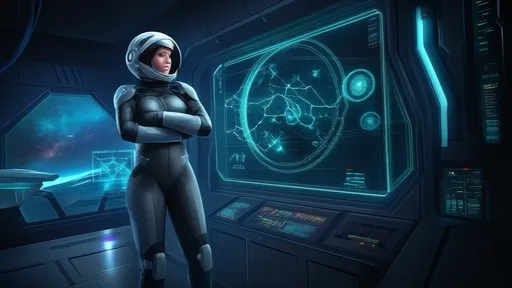
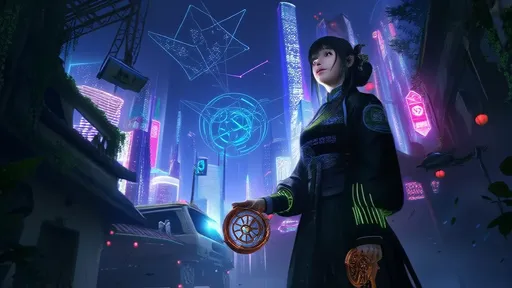
Technological dystopias produce their own specialized adaptive type: The Ghost. These individuals master the art of digital invisibility and identity fluidity. They understand that in societies where every action generates data, the most revolutionary act is to leave no trace or to create false ones. Ghosts develop sophisticated techniques for erasing their digital footprints, creating multiple authenticated identities, and moving through surveillance systems like whispers through walls. Their resilience demonstrates that in fully monitored societies, privacy becomes both a precious resource and a potent weapon.
Perhaps the most counterintuitive archetype is The Gardeners, who find resilience through nurturing life in barren environments. When systems control food production as means of control, Gardeners develop alternative agricultural methods—hidden hydroponics, rooftop gardens, genetically diverse seed banks. Their resistance takes the form of ensuring biological and nutritional independence from centralized systems. They understand that controlling food means controlling populations, and thus growing food becomes an act of defiance.
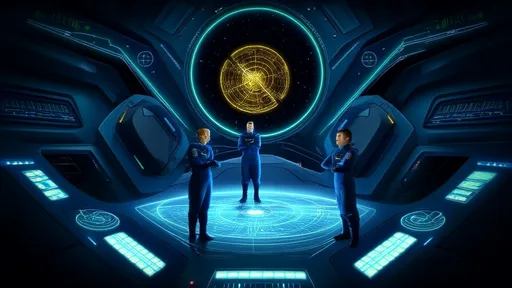
The theoretical framework gains practical significance when we examine how these adaptability types interact. Resilience in dystopian conditions rarely manifests in isolation; rather, it emerges from the collaboration between complementary archetypes. Weavers create the social networks that protect Sentinels' knowledge. Forgemasters develop the tools that enable Ghosts' digital invisibility. Gardeners feed the communities that shelter all resistance efforts. This interdependence suggests that survival in oppressive systems requires not just individual resilience but ecosystemic cooperation.
Critically, the Adaptability Zodiac challenges traditional notions of resistance as primarily confrontational. Many archetypes demonstrate that resilience often involves working around systems rather than against them, finding spaces of autonomy within structures of control, and practicing what political theorist James Scott calls "the arts of resistance." This framework acknowledges that open rebellion often leads to annihilation, while subtle, persistent adaptation can gradually erode even the most formidable systems of control.
The psychological implications extend beyond fiction into our contemporary reality. As we face increasing surveillance capitalism, environmental challenges, and political polarization, understanding these resilience patterns becomes practically valuable. Individuals might identify their natural adaptive tendencies while consciously developing complementary skills. Communities might intentionally cultivate diversity across the adaptability spectrum rather than valuing only certain types of resistance.
Furthermore, the framework offers a diagnostic tool for assessing societal health. The emergence of specific adaptability types often indicates particular forms of oppression. A prevalence of Ghosts suggests intense surveillance; numerous Gardeners indicate food insecurity; many Sentinels point to cultural erosion. Thus, mapping the distribution of resilience archetypes within a population might reveal the nature of systemic pressures before they become fully visible through conventional measures.
Ethical considerations necessarily accompany this conceptual framework. The same adaptive capabilities that enable survival in oppressive systems could potentially serve antisocial purposes in different contexts. The skills that make an excellent Ghost could facilitate criminal activity; the perceptual flexibility of Forgemasters could justify moral compromise. This ambiguity reminds us that resilience itself is morally neutral—its value determined by the purposes it serves and the values it protects.
As we look toward increasingly uncertain futures, the Dystopian Adaptability Zodiac offers not predictions but preparations. It provides a language for discussing resilience that moves beyond simplistic binaries of resistance versus collaboration. The framework acknowledges the complex, often contradictory strategies that actual survival requires—the simultaneous need to remember and to innovate, to connect and to hide, to confront and to evade. In doing so, it reflects the nuanced reality that navigating oppression rarely involves pure heroism but rather difficult, contextual choices made within constrained possibilities.
Ultimately, this symbolic system serves as both mirror and map: reflecting our current anxieties about control and freedom while charting potential paths through coming challenges. The constellations of dystopian resilience remind us that human adaptability remains our greatest resource in dark times—and that understanding its patterns might help us cultivate the diverse capabilities needed to preserve humanity through whatever futures await.
By /Aug 25, 2025
By /Aug 25, 2025
By /Aug 25, 2025

By /Aug 25, 2025
By /Aug 25, 2025
By /Aug 25, 2025
By /Aug 25, 2025
By /Aug 25, 2025

By /Aug 25, 2025
By /Aug 25, 2025

By /Aug 25, 2025
By /Aug 25, 2025
By /Aug 25, 2025
By /Aug 25, 2025

By /Aug 25, 2025
By /Aug 25, 2025

By /Aug 25, 2025
By /Aug 25, 2025

By /Aug 25, 2025

By /Aug 25, 2025