The scientific world witnessed a quiet revolution when the first mRNA vaccines received emergency authorization for COVID-19. While their development was accelerated by the global pandemic, the foundations of this technology had been meticulously laid over decades of painstaking research. The spectacular success of these vaccines against SARS-CoV-2 did not mark an endpoint, but rather a powerful and resounding starting pistol. It signaled the beginning of a new era in medicine, one where the mRNA platform is rapidly being untethered from its initial application and is now being aimed at a breathtaking array of other diseases, promising to reshape our entire approach to treatment and prevention.
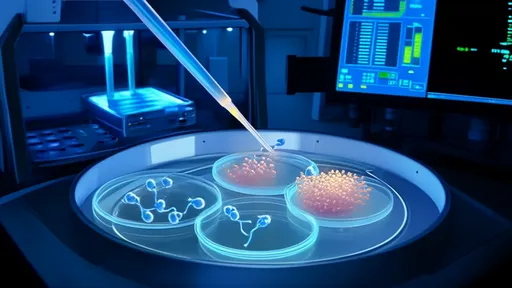
The core elegance of mRNA technology lies in its fundamental simplicity and versatility. Unlike traditional vaccines, which often introduce a weakened virus or a viral protein to train the immune system, mRNA vaccines provide a set of genetic instructions. These instructions, encoded in messenger RNA, are delivered into the body's cells, directing them to temporarily produce a specific protein, or antigen, unique to the pathogen. The cell then displays this antigen on its surface, alerting the immune system to recognize it as foreign and mount a robust defense, creating a memory that offers lasting protection. This process effectively turns our own cells into miniature, transient vaccine production factories.
This mechanism is what makes the platform so extraordinarily adaptable. To target a different virus or disease, scientists do not need to devise an entirely new production system or grow vast quantities of a pathogen. They simply need to sequence the genome of the target, identify the crucial antigen that will elicit an immune response, and then code that antigen's blueprint into a new mRNA sequence. This radically shortens the initial research and development timeline from years to mere weeks or months, a pivotal advantage when responding to emerging viral threats or rapidly mutating strains.
Beyond infectious diseases, one of the most promising and active frontiers for mRNA application is in the fierce battle against cancer. The concept of a cancer vaccine, long a dream of oncologists, is now entering clinical reality thanks to this technology. The approach here is deeply personalized. A patient's tumor is biopsied and sequenced to identify neoantigens—unique mutations on the surface of the cancer cells that are not present on healthy cells. An mRNA vaccine is then custom-designed to instruct the immune system to specifically hunt down and destroy cells displaying these neoantigen flags. This turns the body's defenses into a highly precise, targeted therapy, offering hope for treating notoriously difficult cancers like melanoma and pancreatic cancer with far fewer side effects than conventional chemotherapy.
The platform's potential extends even further into the realm of rare genetic diseases. Many such conditions are caused by the body's inability to produce a critical functional protein. mRNA therapy offers a potential solution by providing the body with the correct instructions to produce that missing or defective protein itself. For diseases like cystic fibrosis, certain metabolic disorders, or even sickle cell anemia, researchers are developing therapeutic mRNAs that act not as vaccines, but as replacement blueprints. This approach could offer a transformative, one-time or periodic treatment that addresses the root cause of the disease rather than just managing its symptoms.
In the field of infectious diseases, the success against COVID-19 has opened the floodgates for programs targeting other perennial and elusive foes. Moderna, Pfizer/BioNTech, and other biotech firms have robust pipelines investigating mRNA vaccines for a host of other viruses. These include respiratory syncytial virus (RSV), which poses a serious risk to infants and the elderly, influenza, where the flexibility of mRNA could allow for more effective and rapidly updated seasonal shots, and even HIV, a virus that has evaded vaccine developers for decades. The speed of the platform also makes it an ideal tool for pandemic preparedness, creating a library of vaccine prototypes for known viral families with pandemic potential.
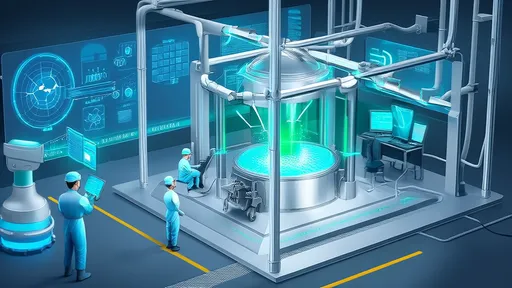
However, the path forward is not without its significant challenges. The current lipid nanoparticle delivery system, while effective, requires ultra-cold chain storage, which limits its accessibility in remote or low-resource regions of the world. Improving the stability of these formulations to survive at refrigerated, or even room, temperatures is a major focus of ongoing research. Furthermore, as with any new technology, understanding long-term effects and continuing to monitor safety profiles across diverse populations and new disease applications is paramount. Researchers are also working to mitigate transient side effects like fever and fatigue, which, while generally mild, are more common with mRNA vaccines than with some traditional ones.
Despite these hurdles, the momentum behind mRNA technology is undeniable. The unprecedented collaboration between academia, industry, and regulatory bodies during the COVID-19 crisis has created a powerful ecosystem for innovation. Investment is pouring into startups and established companies alike, all seeking to unlock the next chapter of this medical revolution. The initial proof of concept has been delivered with staggering effectiveness, and the scientific community is now tasked with refining, optimizing, and expanding its reach.
Looking ahead, the true impact of mRNA technology may lie in its convergence with other cutting-edge fields like artificial intelligence and gene editing. AI can accelerate the design of optimal mRNA sequences and predict their behavior in the body, while combination therapies could see mRNA vaccines used alongside other modalities to create synergistic effects. We are standing at the precipice of a new age of biomedicine, one defined by precision, speed, and personalization. The mRNA platform has handed us a new key to unlocking the body's own immense potential to heal itself, and we are only just beginning to discover all the doors it can open.
By /Aug 25, 2025

By /Aug 25, 2025

By /Aug 25, 2025

By /Aug 25, 2025
By /Aug 25, 2025

By /Aug 25, 2025

By /Aug 25, 2025
By /Aug 25, 2025

By /Aug 25, 2025

By /Aug 25, 2025
By /Aug 25, 2025
By /Aug 25, 2025

By /Aug 25, 2025
By /Aug 25, 2025
By /Aug 25, 2025

By /Aug 25, 2025
By /Aug 25, 2025

By /Aug 25, 2025

By /Aug 25, 2025

By /Aug 25, 2025